
Healthy Aging: How to Live a Longer and Healthier Life After 40
At some point, most of us start realizing that health is not just about avoiding sickness. It is about preserving strength, energy, clarity, mobility, and quality of life as the years go on. That is where the conversation around healthy aging becomes so important.
Many people think aging well is mostly genetic, but that idea can become an excuse. Genetics matter, but they are not the whole story. Our daily choices still carry real weight. The way we eat, move, sleep, manage stress, stay connected, and care for our bodies can shape how well we function over time.
The National Institute on Aging says healthy aging is supported by habits such as staying active, making healthy food choices, getting enough sleep, and managing health proactively. The World Health Organization also defines healthy ageing around maintaining the functional ability that supports well-being, not simply the absence of disease.
That means learning how to live a longer and healthier life is not about chasing perfection. It is about making consistent, wise choices that help us remain capable, resilient, and well.
And if we are asking how to stay healthy after 40, the answer is not found in one miracle product or one perfect routine. It is found in the habits we repeat, the patterns we build, and the lifestyle we create over time.
This is where many people get it wrong. They wait for a health scare, burnout, sudden weight gain, poor lab results, chronic fatigue, or pain before they start paying attention. But healthy aging is easier to support when we begin before the body is in crisis.
The earlier we start, the more we can preserve. Even so, it is never too late to make meaningful changes. The National Institute on Aging notes that small changes in key health behaviors can go a long way in supporting healthy aging – how to Live a longer and healthier Life .

Suggested image for introduction (16:9):
A vibrant midlife adult walking outdoors in morning light, looking strong, calm, and energized.
Good copyright-free sources: Unsplash, Pexels, Pixabay.
Table of Content
What Biological Age Means and Why It Matters
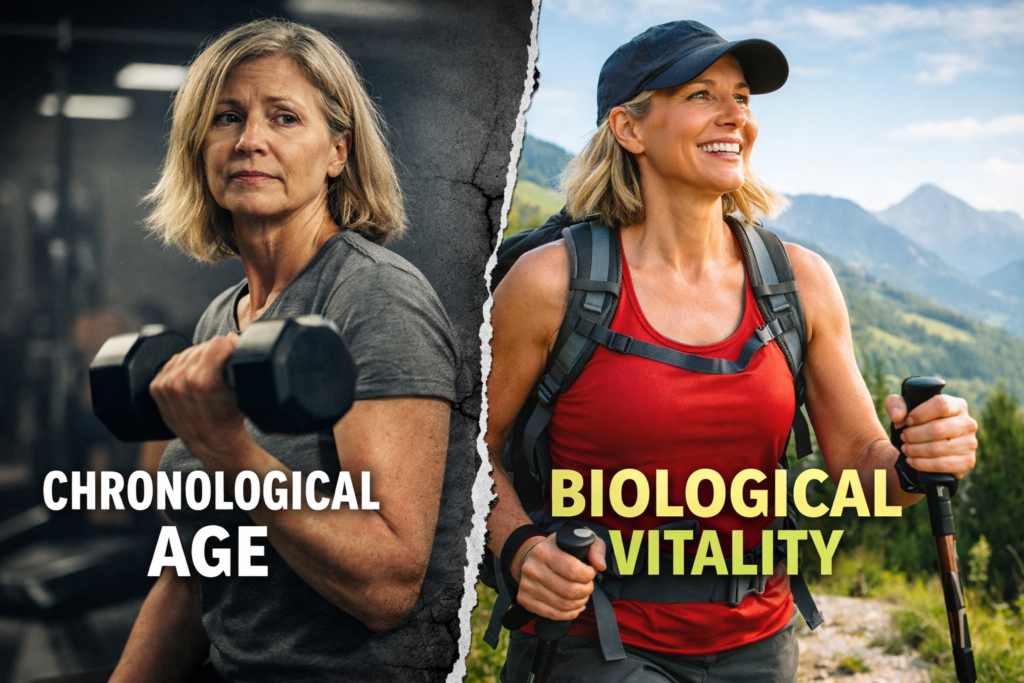
Most of us know our chronological age. That is simply how many years we have been alive. But biological age is a different idea, and in many ways it is the more meaningful one.
Biological age refers to how well the body is actually functioning compared with what might be expected for a person’s age. In other words, two people can both be 48, but one may have better energy, stronger muscles, healthier blood pressure, better metabolic function, and greater mobility than the other. On paper, they are the same age. In the body, they are not aging the same way.
This matters because aging is not only about appearance. It is about function. It is about how well the heart, muscles, bones, brain, immune system, metabolism, and nervous system are holding up.
Healthy aging is really about preserving function for as long as possible. WHO emphasizes this idea through the concept of “functional ability,” meaning our ability to do what we value in daily life.
From a practical standpoint, thinking about biological age shifts the conversation. Instead of only asking, “How old am I?” we begin asking better questions:
- How is my body performing?
- Do I recover well?
- Am I maintaining strength?
- Is my energy stable?
- Can I think clearly?
- Am I building habits that support me 10 or 20 years from now?
That shift is powerful because it moves us from passive aging to intentional living.
It is also worth understanding that biological aging is influenced by stress, inflammation, sleep quality, activity levels, diet, and other health factors.
The National Institute on Aging through research have even found that stress-related increases in biological age may be reversible after the stress resolves, which reinforces how responsive the body can be to our internal and external environment.
Why this matters in real life
If someone is 43 and already sedentary, chronically sleep deprived, dehydrated, under chronic stress, and eating mostly processed food, the body may start showing signs of wear earlier than expected.
On the other hand, someone in their 50s who is active, nourished, sleeping reasonably well, and managing stress may function much better.
That does not mean we control everything. It does mean our habits influence more than many people realize.
The Connection Between Lifestyle and Healthy Aging
This is one of the most important truths in the whole conversation: lifestyle is not a side issue in healthy aging. It is one of the main drivers of it.
People often think of aging as something that simply happens to us. But in reality, how we live each day affects how we age over time. The National Institute on Aging points directly to physical activity, healthy food choices, quality sleep, and proactive health management as habits that improve the odds of aging well.
WHO also points to healthy ageing as something shaped not only by biology, but by the environments and opportunities around us.
Lifestyle shapes:
- energy levels
- body composition
- muscle and bone strength
- blood sugar control
- blood pressure
- heart health
- cognitive health
- emotional resilience
- independence later in life
That means healthy aging is cumulative. The body is constantly responding to the life we are living.
Why daily patterns matter more than occasional effort
One workout does not create fitness. One salad does not create health. One bad night of sleep does not ruin us either. The body responds to patterns. This is good news because it means improvement does not depend on being extreme. It depends on becoming consistent.
For example:
- If we sit most of the day for years, the body adapts to that inactivity.
- If we under-eat protein and avoid resistance exercise, muscle loss becomes more likely.
- If we live in constant stress mode, the nervous system pays a price.
- If we build a lifestyle that supports recovery, movement, nourishment, and calm, the body benefits over time.
This is why people asking how to live a longer and healthier life should think less in terms of hacks and more in terms of systems. Longevity is not built through random bursts of motivation. It is built through lifestyle structure.
A deeper truth people overlook
It is not just obvious “bad habits” that hurt us. It is also neglect:
- neglecting sleep because work feels more urgent
- neglecting muscle health because weight looks “fine”
- neglecting hydration because we are busy
- neglecting relationships because we are overwhelmed
- neglecting rest because we think burnout is normal
Many people are not aging poorly because they are reckless. They are aging poorly because they are chronically under-supporting the body.
That is a different problem, and it requires honesty.
Suggested image for this section (16:9):
Flat-lay or lifestyle collage featuring healthy meals, walking shoes, water bottle, journal, and sleep routine setup.
How to Stay Healthy After 40: Foundational Habits
If we are serious about learning how to stay healthy after 40, we need to come back to the basics. Not trendy basics. Real basics.
After 40, the body may become less forgiving of long-term neglect. Muscle mass, recovery capacity, hormone shifts, sleep changes, stress load, and metabolic flexibility can all become more noticeable. That does not mean decline is inevitable. It means the margin for careless living gets smaller.
Here are the foundational habits that matter most.
1. Build and Preserve Muscle
Muscle is one of the biggest assets in healthy aging. It supports metabolism, blood sugar regulation, balance, mobility, independence, and injury prevention. National Institute on Aging says physical activity is essential for healthy aging and can improve physical and mental health at any stage of life.
Many people focus too much on weight and not enough on strength. That is a mistake. Someone can be smaller and still weak, under-muscled, fatigued, and physically vulnerable.
A Practical Tip:
Include resistance training at least 2 to 3 times per week, using bodyweight, dumbbells, resistance bands, or machines.
2. Eat to Nourish, not just to fill up
Nutrition after 40 needs to support maintenance and repair. That means enough protein, fiber, vitamins, minerals, healthy fats, and whole foods that help the body function well. National Institute on Aging notes that healthy eating supports muscles, bones, balance, and independence as we age.
This is where many adults quietly sabotage themselves:
- too much processed food
- not enough protein
- too little fiber
- too much sugar
- irregular eating patterns that leave energy unstable
A Practical Tip:
Build meals around protein, vegetables, fruit, healthy fats, and whole-food carbohydrates where appropriate.
3. Protect Sleep as a Health Strategy
Sleep is not laziness. It is repair. CDC says adults generally need at least 7 hours of sleep, and sleeping less than that is associated with worse health outcomes.
Poor sleep affects:
- hunger and cravings
- stress response
- focus
- mood
- recovery
- blood sugar control
- heart health
A person trying to age well while chronically under-sleeping is working against their own biology.
A Practical Tip:
Create a consistent bedtime, reduce late-night screen stimulation, and stop treating sleep like the first thing to sacrifice.
4. Learn to Regulate Stress
Long-term stress takes a toll. National Institute on Aging notes that chronic stress can contribute to or worsen issues like headaches, digestive disorders, and sleep disorders. It can also influence biological aging.
Stress is not only emotional. It can be:
- mental overload
- financial pressure
- poor boundaries
- lack of recovery
- under-eating
- overtraining
- relational tension
- unresolved grief
This is why a person can appear “disciplined” and still be harming their health. A packed schedule and constant survival mode are not signs of wellness.
A Practical Tip:
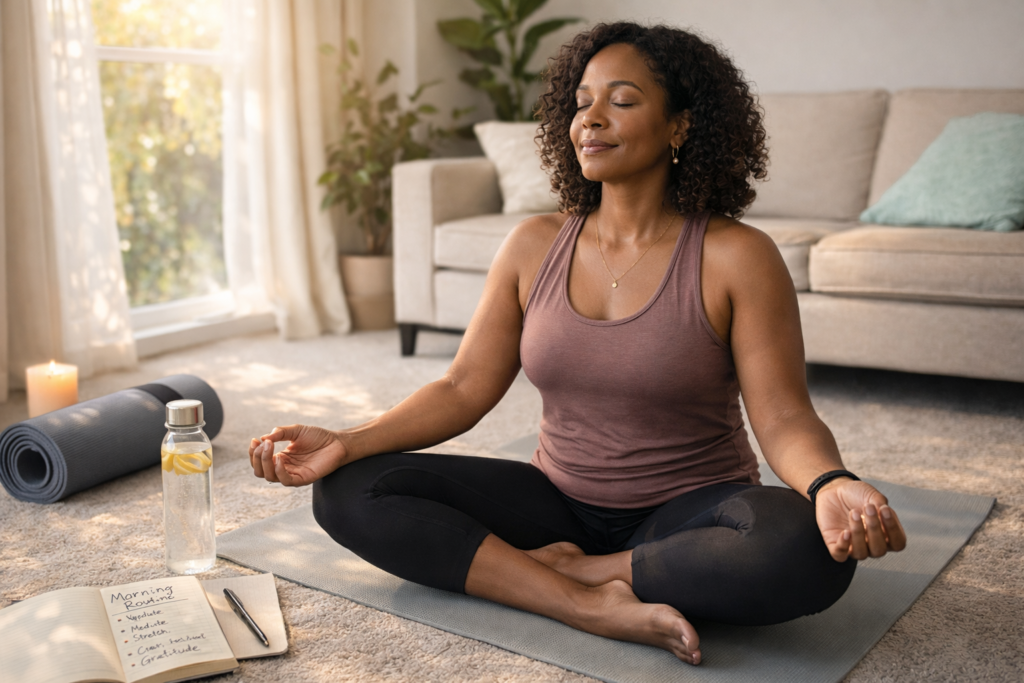
Build stress-reduction into life on purpose through prayer, time outside, journaling, quiet time, counseling, deep breathing, or simply reducing unnecessary overload.
5. Stay engaged with your health
Healthy aging also includes screenings, preventive care, and paying attention to warning signs early. NIA emphasizes proactive health management as part of aging well.
Aging well is not only about habits at home. It is also about not ignoring what the body is trying to tell us.
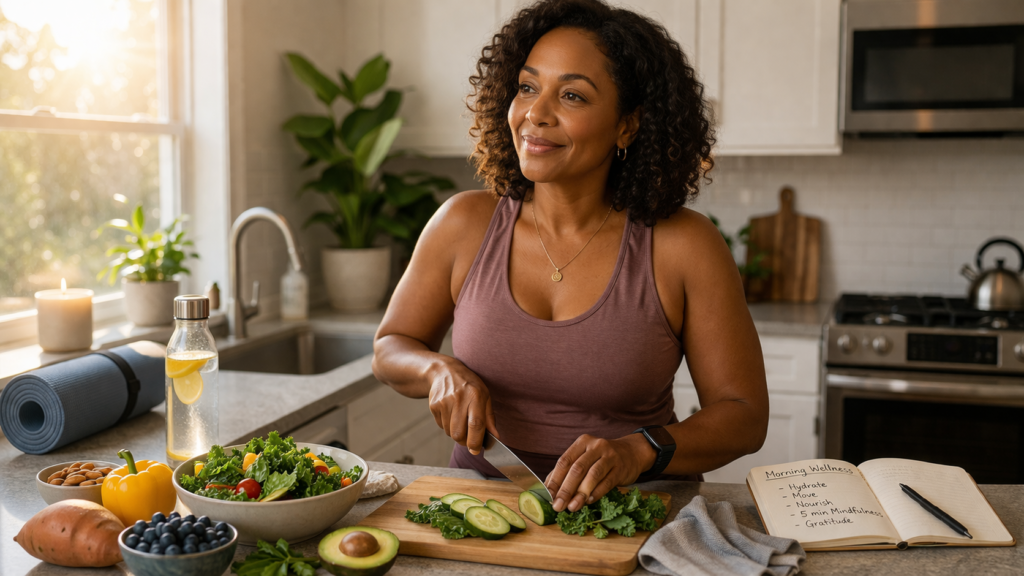
How to Live a Longer and Healthier Life Through Daily Choices
Most people overestimate what they can do in one week and underestimate what daily choices can do over 10 years.
That is the real game.
When people ask how to live a longer and healthier life, they often think in terms of major transformation. But long-term health is usually built through small, repeated decisions that either help the body or burden it.
The Compounding Effect of Daily Choices
Every day, we are either:
- improving recovery or draining it
- preserving muscle or losing it
- stabilizing blood sugar or disrupting it
- calming the nervous system or overstimulating it
- supporting brain health or exhausting it
This does not mean every decision must be perfect. It means the ordinary choices matter more than we often admit.
Examples of helpful daily choices:
- Taking a 20- to 30-minute walk
- Eating a balanced breakfast with protein
- Going to bed earlier
- Drinking water consistently throughout the day
- Standing up and moving after long sitting periods
- Saying no to chronic overcommitment
- Spending time with people who strengthen emotional well-being
CDC states that regular physical activity can help keep thinking, learning, and judgment skills sharp as we age, while also reducing anxiety and helping sleep.
Healthspan Matters as Much as Lifespan
It is not enough to want more years. The better question is: what kind of years?
Do we want years with:
- mobility
- stamina
- mental sharpness
- independence
- emotional steadiness
- capacity to enjoy life
That is why healthy aging is really about healthspan, not just lifespan. Living longer without quality of life is not the full goal.
A Perspective Shift that Helps
Instead of asking, “What do I need to do forever?” it is often more helpful to ask:
- What does my body need from me today?
- What kind of future am I building with my current routine?
- Which small decisions would make the biggest difference if I repeated them consistently?
That is a more practical and sustainable mindset.

7 Key Lifestyle Factors That Influence Aging
This section deserves real depth because these are not random wellness categories. These are some of the core factors that shape how well we age.
1. Nutrition
Nutrition gives the body what it needs to maintain tissues, regulate hormones, support immunity, preserve muscle, and produce energy. Healthy eating is not only about body weight. National Institute on Aging specifically notes that healthy eating supports muscles and bones and helps preserve independence as we age.
A poor diet often accelerates aging quietly through:
- inflammation
- blood sugar instability
- nutrient deficiencies
- poor digestion
- excess body fat
- low energy
How Poor Nutrition Ages You Faster
- Processed foods & refined sugars → Trigger chronic inflammation, which leads to wrinkles, joint pain, and diseases like diabetes.
- Trans fats & seed oils → Cause oxidative stress, damaging cells and making you age faster.
- Too much alcohol & caffeine → Dehydrates your skin, causes liver stress, and disrupts deep sleep.
A helpful approach is to think in terms of nourishment rather than restriction.
What to prioritize:
- protein-rich foods
- fruits and vegetables
- fiber-rich carbohydrates
- healthy fats
- fewer ultra-processed foods
2. Movement
Movement is one of the clearest ways to support healthy aging. It improves cardiovascular health, mood, mobility, brain function, sleep, and physical independence.
CDC and National Institute on Aging both stress the importance of regular physical activity for long-term health and healthy aging.
Movement should include more than one category:
- walking or general activity
- resistance training
- mobility and flexibility work
- balance practice when needed
Aging well requires not just “exercise” in the abstract, but preserving function.
3. Sleep
Sleep is when restoration happens. Hormonal regulation, tissue repair, produces collagen for youthful skin, memory processing, and nervous system recovery are all tied to sleep. CDC says adults generally need at least 7 hours, and insufficient sleep is linked with multiple health problems.
Many adults normalize poor sleep, but the body does not shrug it off forever.
Signs sleep may be hurting your health:
- constant fatigue
- brain fog
- irritability
- heavy cravings
- poor recovery
- frequent waking
- needing caffeine just to function
If you’re not getting enough sleep, you’re literally aging yourself overnight.
If you think you can “function just fine” on 4–5 hours of sleep, let me tell you: your body disagrees. Poor sleep is one of the fastest ways to age yourself inside and out.
How Sleep Deprivation Makes You Age Faster
- Increases cortisol (stress hormone) → Leads to weight gain, wrinkles, inflammation, and weakens your immune system.
- Reduces collagen production → Less collagen = more sagging skin and fine lines.
- Impairs brain function → Your brain clears out toxins and regenerates neurons while you sleep. Skimp on it, and you’re accelerating cognitive decline
4. Stress
Stress affects the whole body. It can disturb sleep, appetite, digestion, mood, blood pressure, and recovery. National Institute on Aging notes that long-term stress may worsen a range of health problems, and NIA-funded research has connected stress to temporary increases in biological age.
Ever noticed how people under constant stress tend to look older? That’s because chronic stress speeds up aging at the cellular level.
When your body is in fight-or-flight mode too often, cortisol (the stress hormone) skyrockets, causing inflammation, weight gain, and even DNA damage.
It shortens telomeres (the protective caps on your DNA), leading to faster aging.
How Chronic Stress Damages Your Body
- Increases inflammation → Triggers disease and speeds up skin aging.
- Disrupts sleep & hormone balance → Making you feel and look older.
- Weakens your immune system → Leaving you more vulnerable to illness.
This is why managing stress is not optional self-care fluff. It is part of real health maintenance.
5. Hydration
Hydration is simple, but not minor. Water supports temperature regulation, circulation, digestion, cognition, and normal body function.
The National Academies’ dietary reference material includes average adequate intake targets of about 3.7 liters of total water per day for men and 2.7 liters for women, including water from beverages and food.
That does not mean everyone should force the exact same amount. Needs vary. But many people move through the day underhydrated and then wonder why they feel tired, sluggish, or foggy.
Your body needs water to flush out toxins, keep your skin glowing, and maintain cellular function.
Dehydration leads to dull skin, joint pain, and slower metabolism—all signs of premature aging.
Anti-aging hydration tips:
- Drink at least half your body weight in ounces of water daily
- Eat water-rich foods (cucumbers, berries, watermelon)
- Reduce alcohol and caffeine, which dehydrate your body
6. Mindset
Mindset influences behavior, consistency, and stress response. A person with an all-or-nothing mindset often burns out. A person who believes aging well is pointless may stop trying altogether. A person who sees health as stewardship is more likely to make better choices consistently.
Mindset affects whether we:
- stay teachable
- recover from setbacks
- remain hopeful
- build sustainable habits
- respond with discipline instead of defeat
Believe it or not, your thoughts play a role in your biological age.
Studies show that having a positive outlook on life and a sense of purpose can extend lifespan and improve overall well-being.
Here’s something fascinating: people who have a sense of purpose, and a positive mindset tend to live the longest.
How a Negative Mindset Ages You Faster
- Increases stress & inflammation → Negativity fuels worry, which takes a toll on your health.
- Leads to social isolation → Studies show that loneliness is as harmful as smoking 15 cigarettes a day!
How to Stay Emotionally & Mentally Youthful
- Surround yourself with uplifting people
- Practice gratitude daily —It rewires your brain for positivity.
- Keep learning and growing —Stay curious, try new things, and challenge your mind.
7. Relationships
Relationships are often treated like a soft topic, but they have serious health implications. CDC says social connection can help people live longer, healthier lives and reduce the risk of conditions such as heart disease, stroke, dementia, depression, and anxiety. It also reports that about 1 in 3 adults in the U.S. feel lonely.
Healthy aging is not only physical. Isolation affects the mind and body. Supportive relationships can reduce stress, improve sleep, and strengthen overall well-being.

8 Common Mistakes That Accelerate Aging
This section matters because many people are not sure what is hurting them. They know they feel “off,” but they have not identified the repeated patterns wearing them down.
1. Sedentary Lifestyle – “Sitting too much and moving too little“
A sedentary lifestyle weakens the very systems we need to age well. It affects circulation, mobility, metabolism, and overall function. Even if someone exercises occasionally, long periods of sitting still matter.
2. Exercise – “Ignoring strength training“
This is one of the biggest mistakes after 40. Losing muscle is not harmless. It affects balance, metabolism, resilience, and independence. Many adults think walking alone is enough. Walking is excellent, but it does not fully replace resistance training.
3. Diet & Nutrition – “Living on processed foods“
Convenience has a cost. Diets built mostly on ultra-processed foods often leave the body overfed but undernourished.
Nutrition affects far more than weight. It influences inflammation, blood sugar regulation, gut health, hormone signaling, energy production, and how well the body repairs itself over time. That matters because how we age is not just about how old we are in years, but about how well our cells, tissues, and systems are functioning.
When our eating pattern is built around heavily processed foods, excess added sugars, and low-quality fats, the body tends to experience more oxidative stress and chronic inflammation.
Over time, that internal wear and tear can show up as fatigue, poor metabolic health, and greater vulnerability to age-related decline. Harvard’s Nutrition Source does a strong job explaining how overall dietary patterns influence long-term health, not just isolated symptoms.
4. Poor Sleep Habit
Many adults wear sleep deprivation like a badge of honor. It is not. It undermines recovery and increases strain on the body. CDC links short sleep with multiple health problems.
5. Chronic Stress mode
Some people have normalized overdrive. They are always rushing, always tense, always mentally loaded, and never truly recovering. Over time, that catches up.
6. Neglecting Hydration
People sometimes focus on supplements, powders, and wellness products while overlooking water. That is backwards. Basic hydration is foundational.
7. Isolation and lack of meaningful connection
Aging poorly is not only about physical neglect. Emotional and social disconnection matter too. CDC identifies social isolation and loneliness as real threats to mental and physical health.
8. Waiting until there is a crisis
This may be the biggest mistake of all. Waiting until symptoms are severe, energy collapses, mobility declines, or labs worsen makes the work harder. Prevention is still work, but it is usually cheaper than repair.

Simple Daily Habits That Support Healthy Aging
People do not need a perfect routine to support healthy aging. They need a realistic one.
Here are simple daily habits that are not flashy, but they are powerful because they are repeatable.
1. Start the day with water
After hours of sleep, the body benefits from rehydration. This is one of the simplest ways to support alertness and daily function.
2. Get morning light
Natural light exposure early in the day helps support circadian rhythm, which can improve sleep quality later.
3. Move every day
Not every day needs to be intense. But daily movement matters. Walk, stretch, strength train, do mobility work, or simply stop breaking up the day with long stillness.
4. Build meals around real food
A practical question to ask is: does this meal actually nourish me? A balanced meal with protein, fiber, and whole foods usually serves the body better than quick convenience eating.
5. Protect sleep with intention
You can create a wind-down rhythm. The body responds to routine.
6. Reduce avoidable stressors
Not all stress can be eliminated, but some can be reduced. Poor boundaries, overcommitment, chaotic evenings, and constant stimulation all add up.
7. Stay relationally connected
Reach out. Talk. Spend time with people who bring steadiness, encouragement, and honest support.
8. Be consistent instead of extreme
A moderate routine repeated over time will usually serve the body better than intense bursts followed by burnout.
How to Start This Journey: A realistic way to begin
If someone feels overwhelmed, start with three anchors:
- drink more water
- walk every day
- get to bed earlier
That may sound basic, but basic does not mean weak. Basic done consistently changes things.
Conclusion
Healthy aging is not a passive process. It is shaped by the way we live, the habits we repeat, the stress we carry, the sleep we protect, the food we choose, the strength we build, and the relationships we maintain.
If we truly want to understand how to live a longer and healthier life, we have to stop looking only for dramatic solutions and start respecting the power of everyday stewardship. The small things matter. The repeated things matter even more.
And if we are serious about how to stay healthy after 40, we need to let go of the idea that health is only about avoiding illness. It is also about protecting capacity. It is about preserving energy, mobility, clarity, resilience, and independence for the years ahead.
That is what healthy aging really points us toward.
Not fear of getting older.
Not obsession with appearance.
But a wise, steady commitment to living in a way that supports the body well.
The honest question is not whether aging will happen. It will.
The better question is: how do we want to age?
That answer is being shaped right now by the life we are living today.